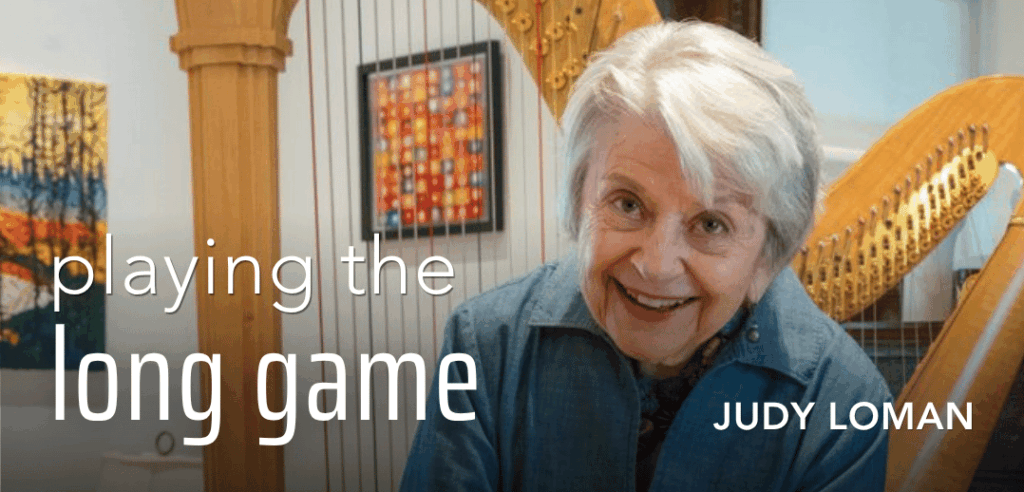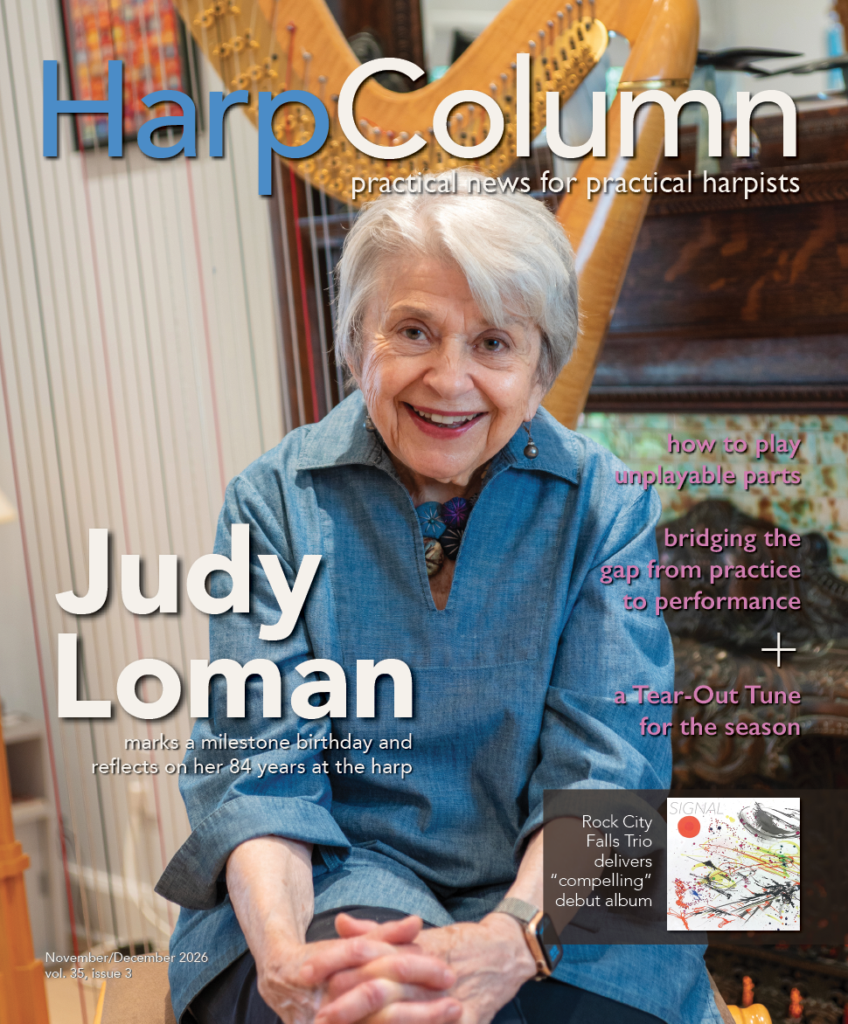

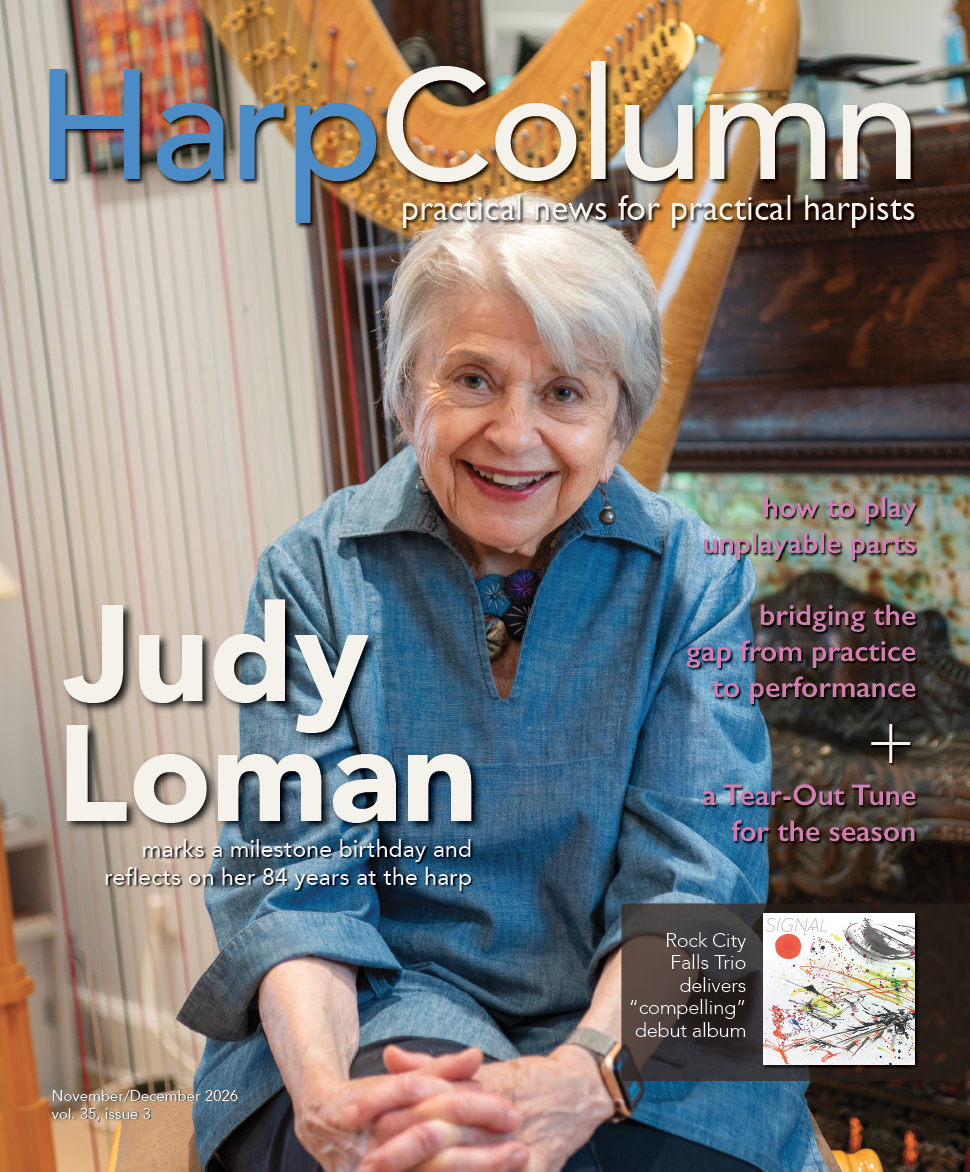
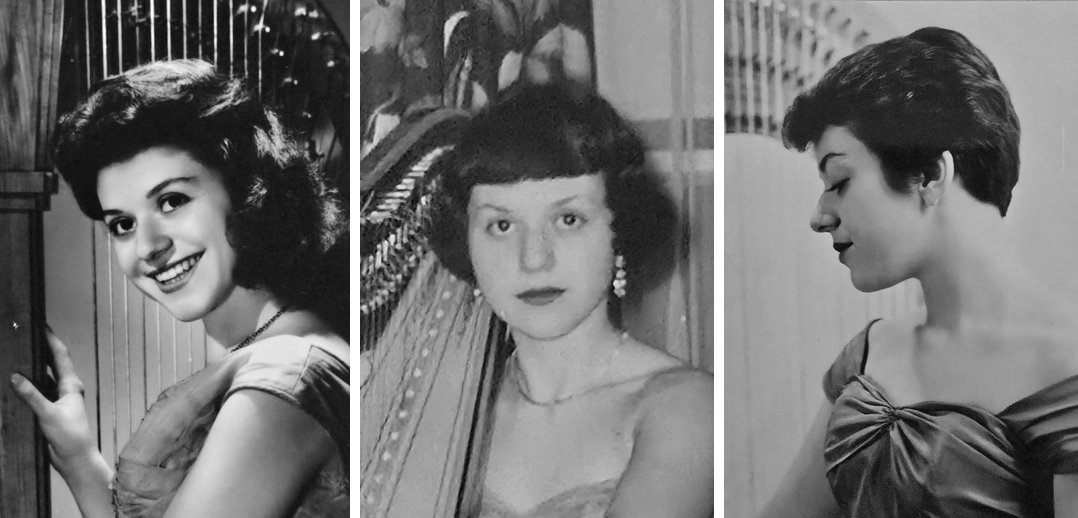
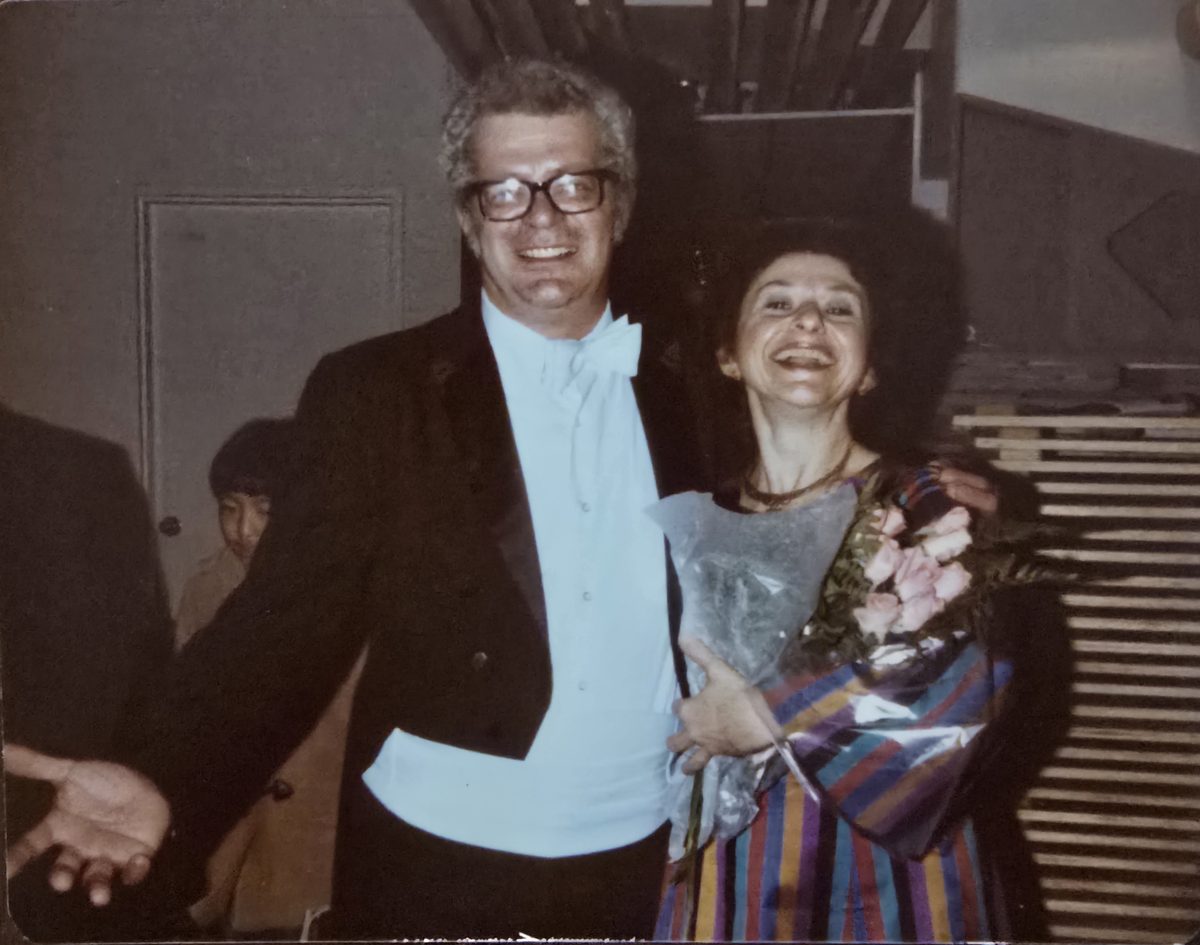
Thirty years ago this month, Judy Loman graced the cover of Harp Column magazine. The Toronto Symphony principal harp had cemented her place as one of the premier performers and pedagogues in the world, and her prolific recording and commissioning of new works by Canadian composers helped propel the instrument into the 21st century. In that interview, Loman talked about how difficult it would be for her to decide between teaching and performing for the rest of her career. Lucky for the rest of us, she didn’t have to choose.
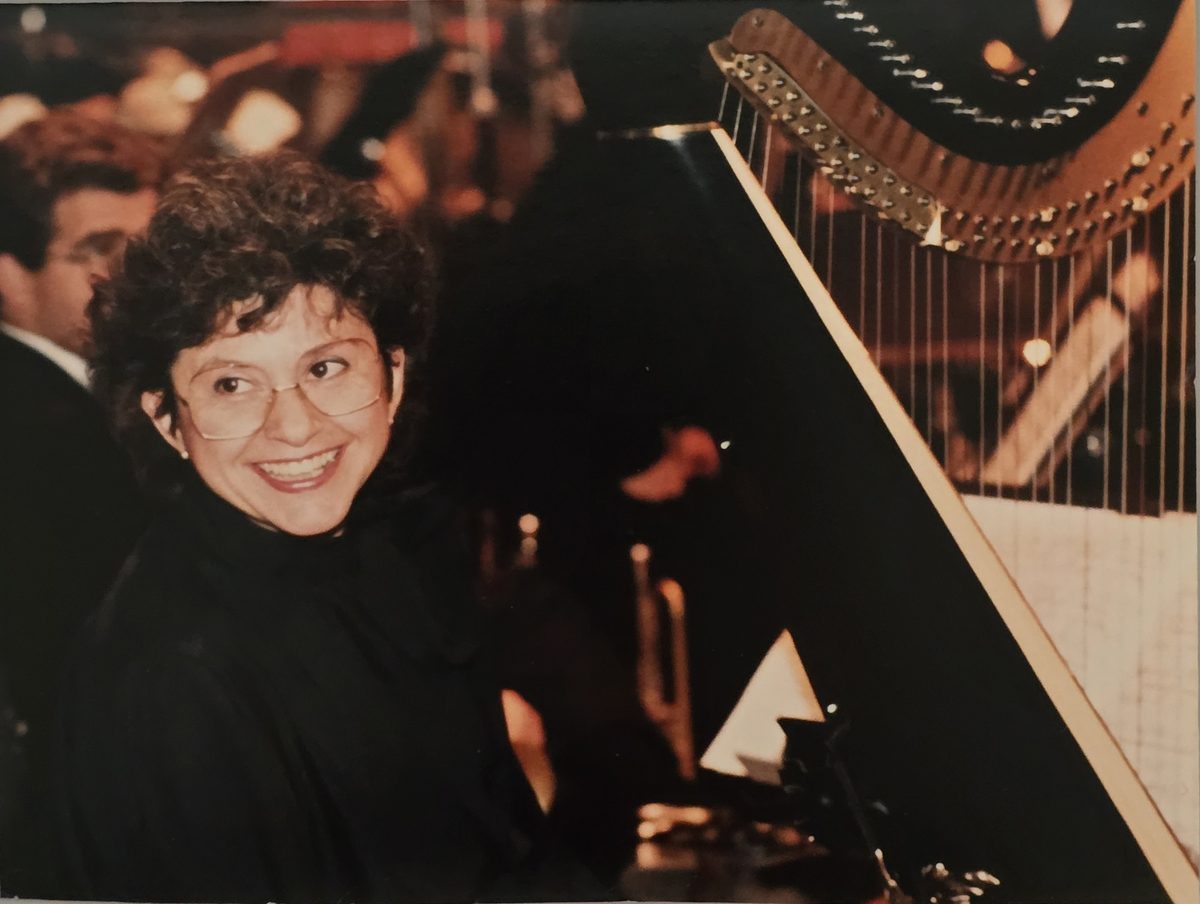
Today, Loman is revered as one of the preeminent harpists of her generation. She retired from the Toronto Symphony in 2002 after more than 40 years and has more than 30 recordings to her name. Loman, who studied with Carlos Salzedo at the Curtis Institute of Music and received her diploma in 1956, later taught at the Philadelphia conservatory for many years. She continues to teach at the University of Toronto and the Glenn Gould School of The Royal Conservatory, as well as privately at her home in Toronto. On stage, Loman still gives solo performances and premieres new works, most recently at One Harp World this past summer, where her performance of the concerto And Then at Night I Paint the Stars by Kelly-Marie Murphy brought the packed hall of harpists to their feet.
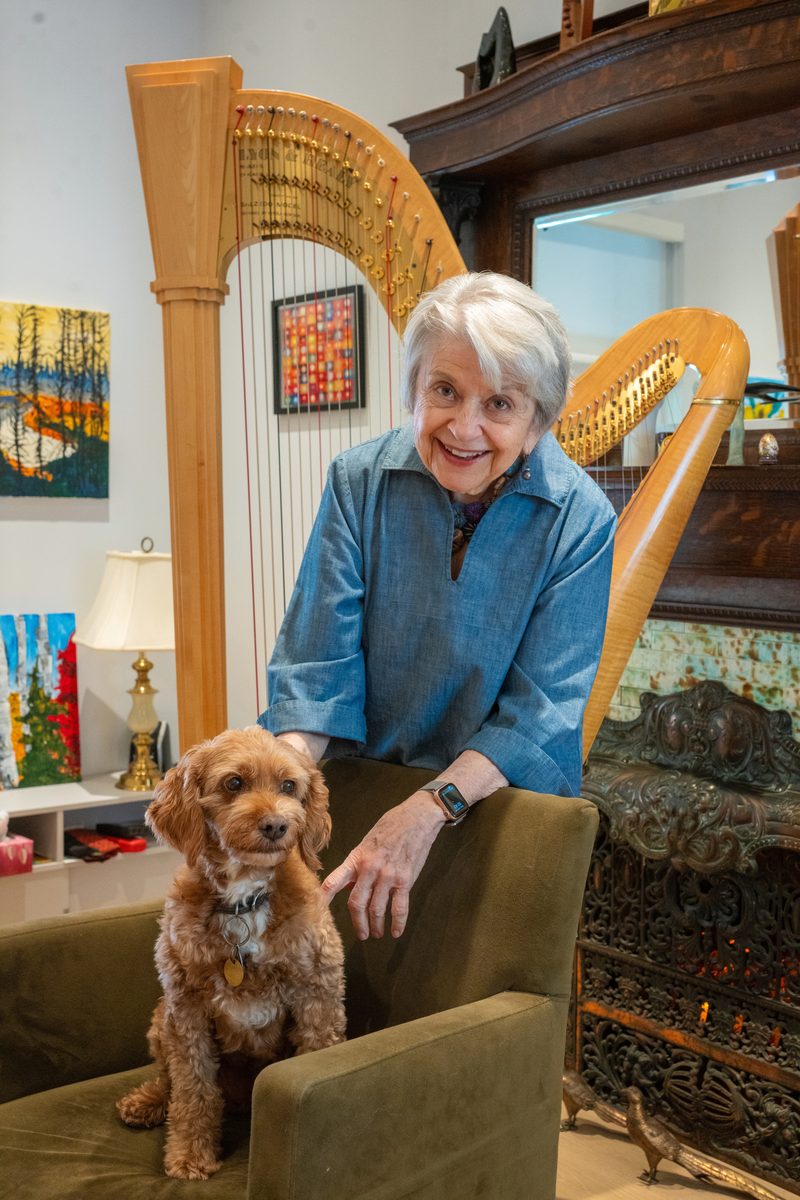
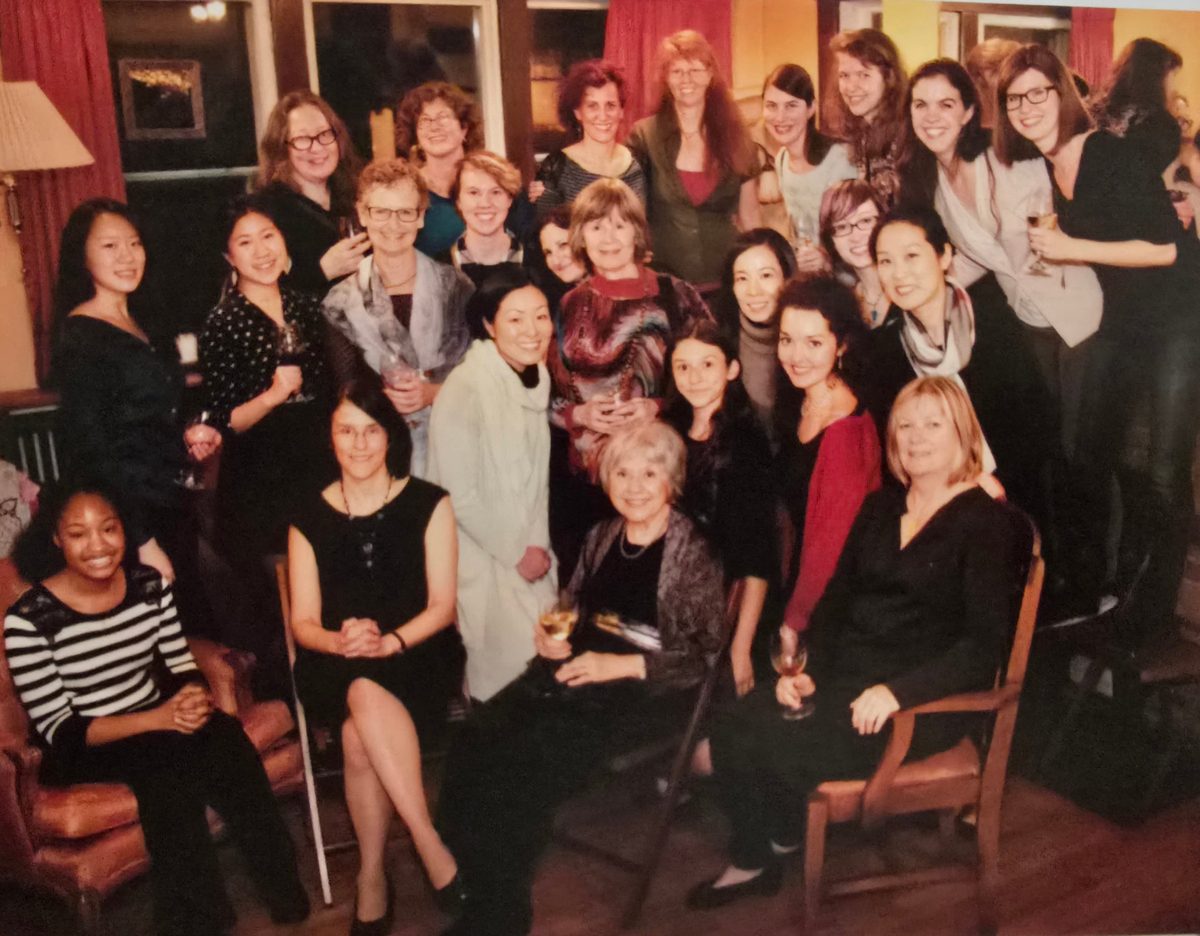
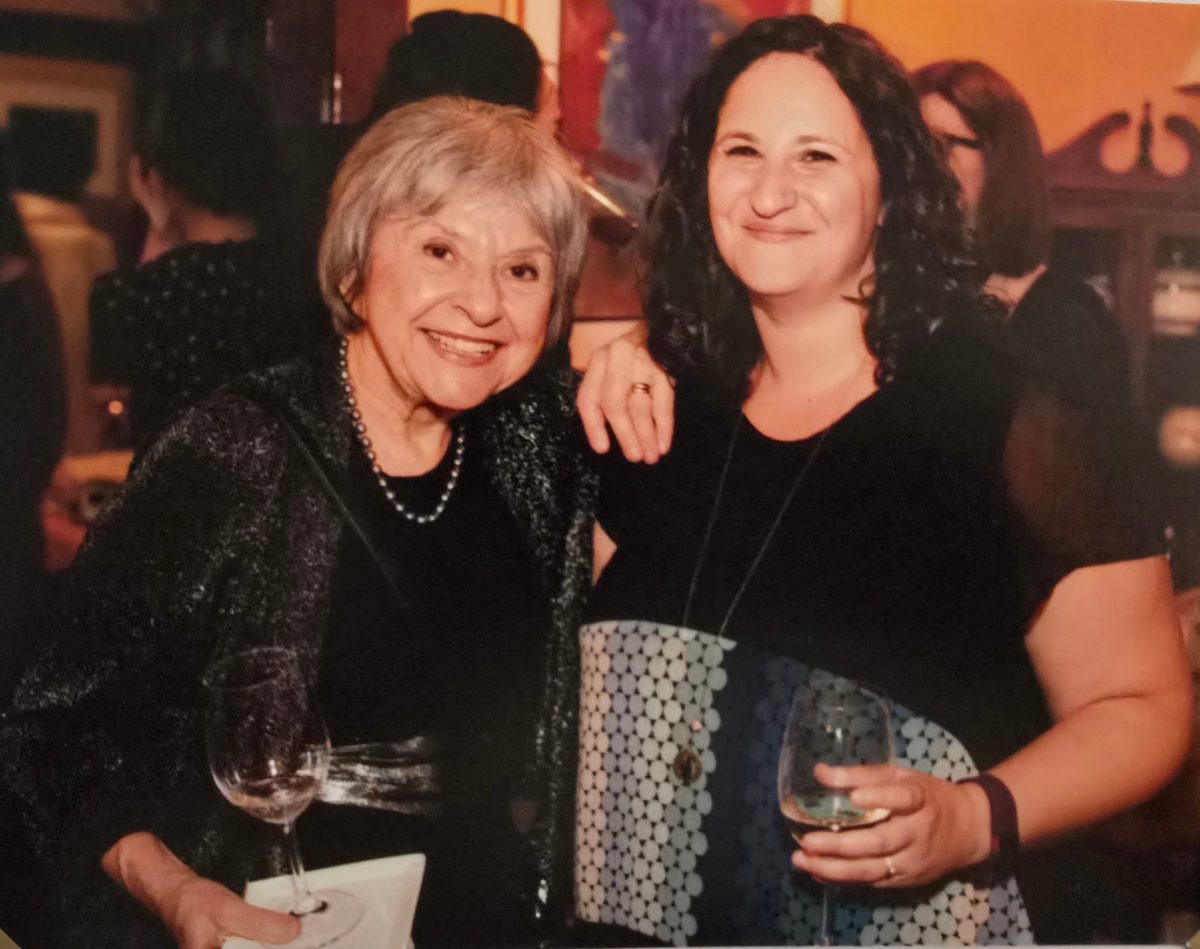
She could have retired 30 years ago with her place as a grande dame of the harp secured. But Judy Loman never really stops. In fact, she rarely goes a day without practicing. As she marks her 90th birthday on November 3, we thought it was the perfect time to check back in with this living legend. We asked Angela Schwarzkopf, who studied with Loman and now teaches alongside her at the University of Toronto, to interview her. They sat down for a conversation in Loman’s Toronto home to reflect on her family, her students, and her 84 years at the harp.
Harp Column: Judy, your career has been so inspiring. In your 1996 Harp Column interview you said, “I have a hard time deciding sometimes if it came to what I wanted to do for the rest of my life, would it be solo playing or teaching.” And now in 2026, 30 years later, I think we can safely say that you never had to make that hard choice as you are still performing and teaching.
Judy Loman: That’s right; I’m enjoying life.
I’m really fortunate because I have students who care and who leap on every suggestion and who don’t let me down.
HC: It was such a thrill to hear you perform at One Harp World this past summer. How have you been able to keep performing at such a high level for so long?
JL: Because I’ve been doing it all my life … I mean, I started the harp at the age of 6. It has been my go-to thing for my whole life. If I go on a holiday for a week or something, or to visit [my] daughter in New York, maybe a few days off the harp, and I come back and I play again.
HC: You just live and breathe it.
JL: I think part of it is that I chose it. My mother and dad didn’t say, “Okay, we’re going to give you harp lessons.” They took me to a studio where they had harp teachers and piano teachers. I was to have started piano lessons, and I saw a little harp, and I decided this is what I want to do. Never having heard it, I just liked the look of it. So, there you go. And honestly, I have never seen another harp like it because the harp itself was maybe three feet tall, but it was just a representation of a gold Style 23, or at least I think that’s what it was a representation of. Anyway, it was gilt, had little strings on it and everything, but it was just a small golden harp.
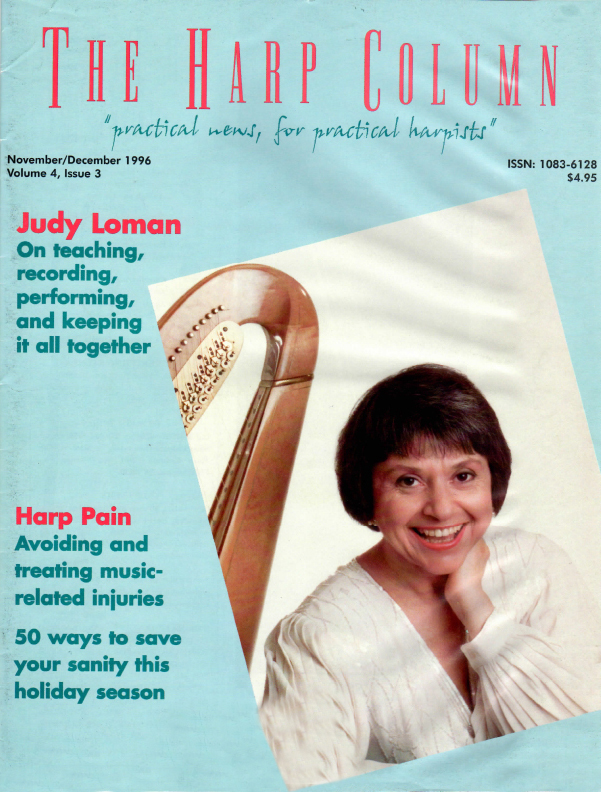
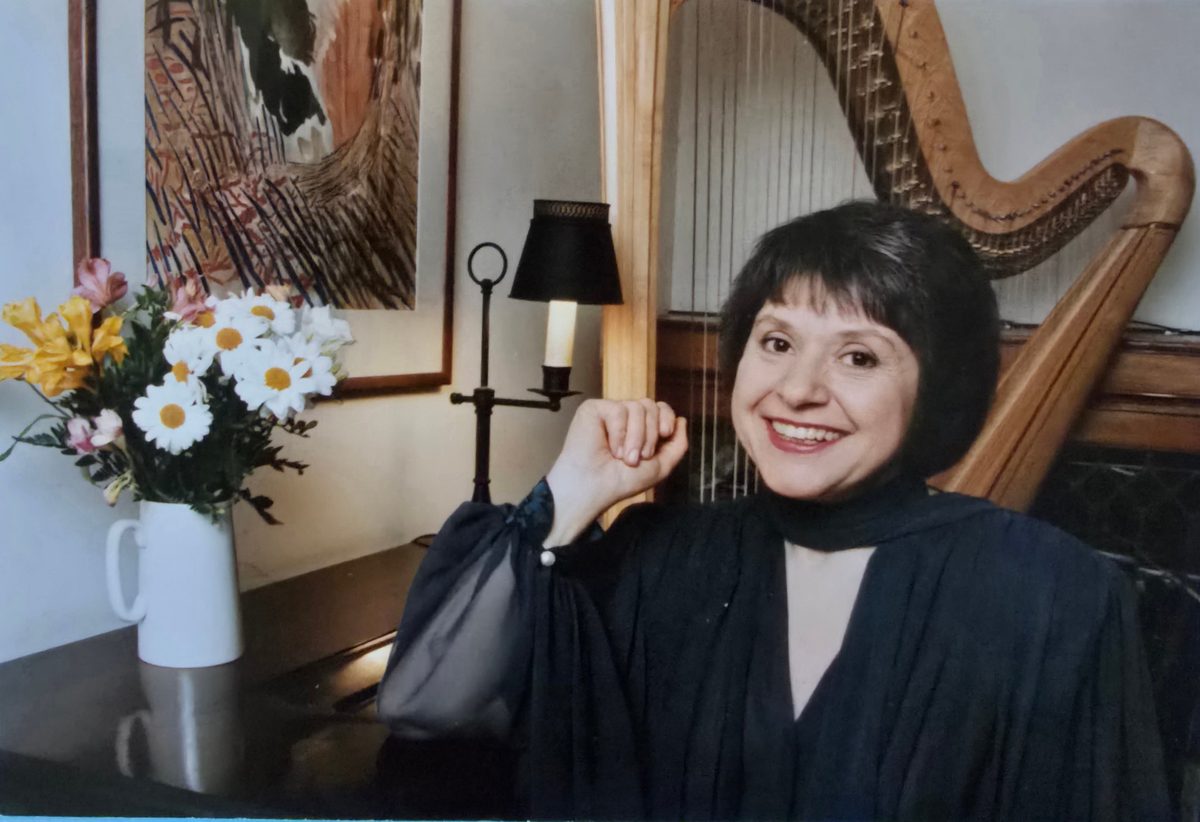
Loman was the featured interview in the November/December 1996 issue of *Harp Column*.
HC: Do you remember if it had any levers or pedals or anything?
JL: I don’t remember anything like that because, of course, when I started my lessons, I was put on a Clark Irish harp. [Laughs] I didn’t get to play the gold one. It was gorgeous, or at least to my 6-year-old self, it felt gorgeous.
HC: Who and what have had the biggest influence on your playing over the years?
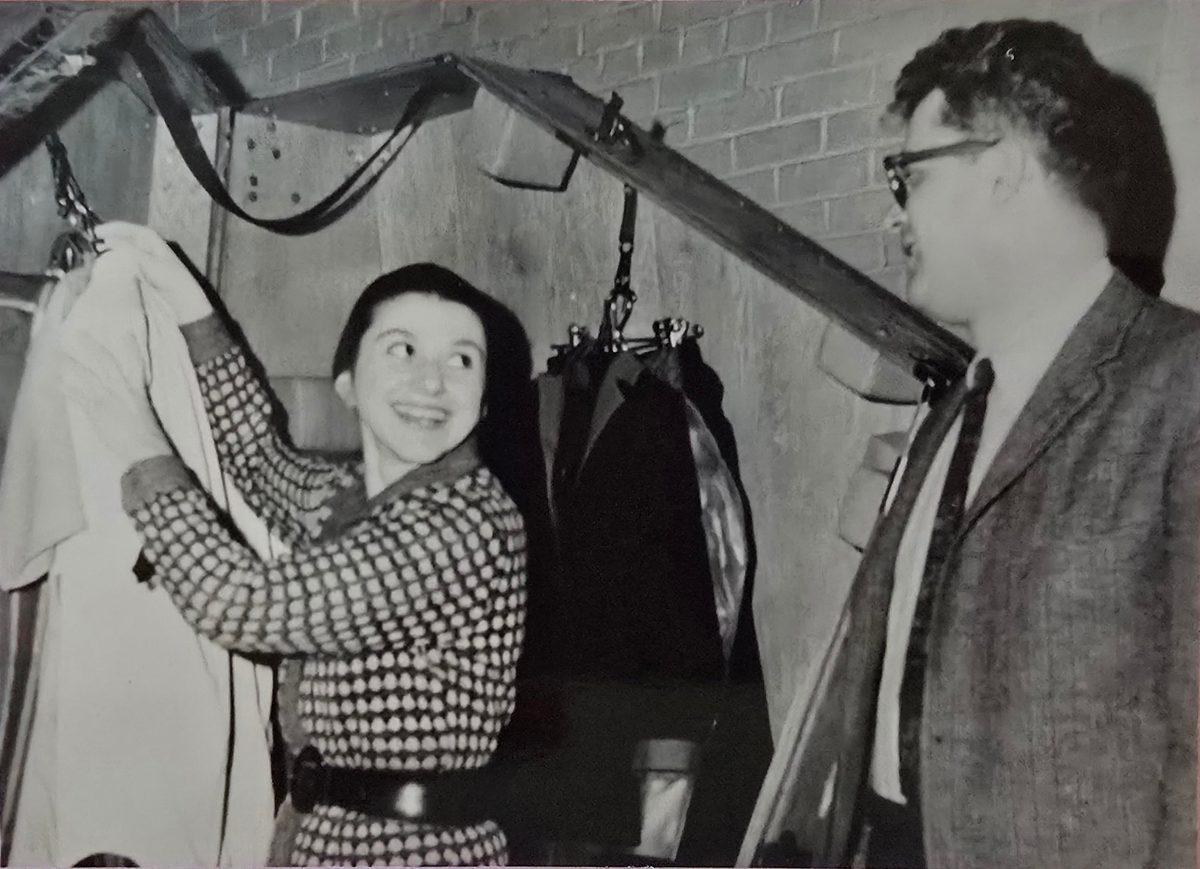
JL: Ah, one main one was my husband. I mean, by the time I married my husband, which I did very early, I was 19. We had both been at Curtis for two years when we got married, and we just hit it off immediately. My husband had a big influence because, if he didn’t hear me practicing, for instance, in the summertime (which very often in the summertime I would just put the harp down and take the kids and do things), he would tell me, “You haven’t practiced for a couple of days.” [Laughs]
HC: He was like your accountability buddy.
JL: He was my accountability buddy. That’s right. And also, just his dedication to his playing was very inspiring to me. Every day he had this whole system of working out to make sure that he dotted all his I’s and crossed all his T’s as far as what he needed to do for his job, and that never changed. The trumpet went with him everywhere. For him, to take a day off was just not in the works, you know. After I became a professional, he was a big example of how to live your life as a professional musician.
HC: You have had such an illustrious teaching career, teaching all over the world and teaching at prestigious institutions. Today you still teach at the University of Toronto and the Glenn Gould School. Can you talk about your teaching philosophy and how it came to be?
JL: Technical studies, so personal, you know. That’s the thing … I don’t have a philosophy. I just need to notice where people are having difficulties.
HC: But I think that is part of your philosophy—that you meet the students where they are.
JL: Yeah, it’s true. But teaching philosophy, I would say, behavior to students is a good one because I want to be their friend, but I also need to be … not stern, but I need to be very focused on what they need and make sure that they know that I think that’s what they need. And the behavior should be one of politeness and good manners.
HC: Respectful.
JL: If they’re not getting something, I don’t want to yell at them. If they haven’t practiced, I might be a little bit mean, but I don’t have students like that. The students I have and have had for many years now have been so serious. I would never hurt their feelings by saying, “You haven’t done enough,” because I know they have, they come every week with serious goals in mind. I’m so fortunate.
HC: Well, I always thought when I was studying with you that the way that you would say things was respectful, but direct. You would say what needed to be done, but you were always saying it with respect. You always treated us kindly in that way.
JL: I’m really fortunate because I have students who care and who leap on every suggestion and who don’t let me down. But the behavior to students is the most important thing. I like all my students. I haven’t ever had a student that I didn’t like. There was always something about them, and I think it was their desire to learn. Some might have been slower, and some might have been faster. The only kind of student that I wouldn’t be good to is a student that I could feel wasn’t working, and I haven’t, for years, I haven’t had a student like that.
I think [what’s important is] the combination of the care that you have for your student (trying to be kind in what you suggest that they do and not being too know-it-all) and proving to them that what you ask works. I don’t believe in grilling students or pushing things at them, but I do believe in really supporting good work that they do to make their hands stable. If your hand is stable, you can do so much with each individual finger, and so anything that promotes that is what I try to do when I teach.
HC: Technique is such an important part of harp playing, and I know it is something you spend a lot of time working on with your students. What do you think are the most important elements every harpist should always keep thinking about?
JL: Well, if you don’t have a good technique, you can’t play music. Also, how to represent what the composer wants on your instrument, that’s the thing that everybody needs to be thinking about. If they have written a piece and they say, for instance, that tempo should be 120, but you don’t have the technique to play it at more than 60, don’t play the piece. You have to be very careful with dynamics, really try to represent the dynamics the composer has given you. However, if you really don’t like what they tell you to do, then as a performer you have a right to show yourself in that instance and play the way you think it should be done, because you are reacting, redoing the piece yourself. Having as many relationships with composers as I have had over my lifetime, I have found that very often they have taken my suggestions absolutely, and said, “Oh yeah, you’re right.” And I’ve shown them what I would do, instead of what they have said to do. I think as musicians, we are reacting to the piece. We’re doing the actual piece that is our interpretation of how it should go, and we can’t be a slave to even what the composer says if that doesn’t work for us. And there are some pieces that I love where I change some things. I think everybody does that because we all are people who redo the piece. We’re constantly making a new piece out of something that a composer has written.
HC: So when you’re teaching your students and you’re working on technique with them, is there an element, in maybe relaxation or hand position, that has come up consistently that you think is critical for being a good harp player?
JL: Well, the one critical thing is [Laughs] that the thumbs have to be up so that they can cross over and not under your fingers. For what we have to do and the way we sit at the harp, if you think about it, there is only one position. If your fingers have to go into your palms, your thumb can’t go into your palm … So there’s only one way of doing it. You can argue, oh, the elbows have to be high, the elbows have to be low, but that has nothing to do with anything. What you do have to say is that your shoulders should be in a relaxed position, and your arms should not be feeling tense. And there are systems by which you can help those things so that you don’t need to really say “Okay, I only studied with Salzedo, and that’s the only technique I’ll ever use.” If you’re a good harpist, you will use your own technique—what works for you—except that you have to follow a few rules, because life has rules, and you have to follow them. Your thumb has to go over, and your fingers have to go in most of the time, unless you’re playing so fast that there’s no time for it. [Laughs]
HC: I think about what I’ve learned from you a lot when I’m teaching in the sense that you’ve never been really strict on “you have to play this way, like everyone has to play this way.” You’ve always met your students where they are and then elevated them.
JL: Thank you very much, because that’s the way I like to think of what I do. Well, you know from lessons with me, we’re working on keeping the neck, and the upper arms, and the back, and the shoulders as loose as we possibly can.
HC: When I think about you and your technique and what I learned from you, I think relaxation is the biggest word I can take away from that.
JL: I mean, there are times that, of course, we’re going to be doing something very exciting. We’re going to really use ourselves, but we have to learn every motion is followed by a relaxation.
HC: And if you can do that, you can do anything.
JL: Yeah, and whenever I’m working on something really technical, a lot of my practicing is the finger in, relax, finger in, relax, finger in, relax. Very slow and loud. You know, this is the beautiful thing about us too. Once we do a physical exercise that we have talked about to ourselves—by the time you’ve done slow exercises that way or done a very difficult technical part of a piece that way—you can play it and relax in it.
HC: It’s so true.
JL: It’s not a big deal to be able to relax if you are able to tell those muscles to relax. But we have to think about it. Autonomously, our fingers will just go in, and they’re going to stay that way, unless we tell them to relax.
HC: And that is why we have to play slow enough—to talk to each of those fingers.
JL: Well, I actually don’t do it so much anymore because [my fingers] really learned to do it. But when I first discovered this, which I think I discovered on my own—nobody told me this, that was the beginning of a really easy technique for me.
HC: That’s amazing, thank you. Over your career you have worked with many different composers on new works for the harp. I know it would be impossible to pick just one, but can you share some compositions that are particularly meaningful to you? I wasn’t going to make you pick a favorite child!
JL: I don’t have any favorites. Of course, it’s obvious that my relationship with [R. Murray] Schafer was really special. I fell in love with his music … he had never written a piece for harp. I went up to him, and I never met him before, and I said, “Would you consider writing something for the harp? I love your music.” … He did, and that’s when he came up with The Crown of Ariadne. I remember him coming to my house, and he had a few little percussion instruments. And [my husband] Joe and I were standing around, looking at everything, and he had the music there. And he said, “Could you try this? Could you try that?” And I said, “Sure,” and I tried it. And then he went home with everything, and when he came back again, he had a whole score and a list of percussion instruments I had to get. I started practicing it, and honestly, I think Schafer was one of my great inspirations because it was the first time I thought, oh, it doesn’t just have to be harp music. It doesn’t have to be something within any parameters. It just has to be something that people are going to enjoy and that I’m going to enjoy working on, and I did. And of course I really had Joe to thank for making all the tables to put all the instruments on and measuring how it was all going to go, because Schafer didn’t really have an idea. Joe did a lot of the mapping.
HC: Wow. So, Crown of Ariadne, working with Schafer, has been a big one. Were there any other composers that particularly come to mind as being meaningful?
JL: John Weinzweig … The CBC had commissioned him to write a piece for me, and he came, and we talked about it and everything, and I gave him some music to listen to. He came back with a whole book of music, and honestly, the pieces were really, really good. They’re not everybody’s cup of tea, but I really enjoyed working on them. He had pieces for every kind of mood you might be in. And it makes me think I want to bring them back again.
HC: These are the 15 Pieces [for Harp].
JL: Yes, the 15 Pieces. Can you imagine? He was to write one piece, like a seven-minute piece, and he wrote about 30 minutes worth of music. And they were all really good. He taught at University of Toronto, so he went down to the harp room, and he fiddled around with the harp. I gave him a few lessons, and he went down and he started playing on the harp, seeing where his fingers would go. He was a brilliant man, a very intelligent person, and I think he absorbed so much just from the few lessons I gave him that he could do that, and he was able to come up with pieces that were tremendously harpable.
HC: You’re lucky to have had so many meaningful relationships with these wonderful composers. You have a new piece you’ve been working on, the Alexina Louie that was commissioned for you at One Harp World.
JL: I know, and I’m enjoying it immensely. She really knows how to write for the harp. There’s nothing in there that’s hard to do because she’s had so much experience with it.
HC: Wonderful—that’s so special. I am sure that over your career you have seen many changes and trends. What are some of the biggest changes you have seen?
JL: Well, one of the things is that we have so many really good harpists now. Let me see, I’m almost 90, and I started my career when I was about 20, so 70 years ago. When I started my career, a player like me was extraordinary. You know, there were a lot of good harpists, but I think that I was probably very good for what there was around at the time. I mean, yes, there were always really good players like Salzedo, Grandjany, you know, but the student level wasn’t as high as it is today. I mean, when you came to me, you played as well as I did when I was [your age], do you know what I mean?
HC: I don’t believe that, but thank you! [Laughs]
JL: The big trend is training, and there are so many good harp teachers now that are actually allowing people to play easily. And I’m saying “allowing” because the trend was just to make everything so hard, you know, like squeezing so hard … I think there’s a whole attitude today of how you have to be relaxed, and people are teaching that beyond anything else. If you can’t relax after your tension, if you don’t have both of those things, you’re not going to be able to play your instrument. So you were talking about change, and I think that is one of the changes—the trend today is to let people be much more natural in what they do.
HC: And that’s producing all these high caliber, amazing harpists we’re seeing.
JL: Yes.
HC: So we just talked about that biggest change, and then I’m wondering on the flip side, what are some things that you think have remained consistent and the same?
JL: Practicing. You have to practice. [Laughs] I think that’s the main thing, and you have to think about what you’re doing while you’re practicing. And that’s for any instrument, you know. You just have to be so aware of how you feel while you’re practicing. What’s happening with your muscles? How many times should I do these scales? You know, I hate doing exercises, so I read while I’m doing them. If I’ve got a good novel, I’ll read it, and I’ll do my exercises. Somebody might say, “But then you’re not paying attention to what you’re doing.” But what I am doing is doing what’s natural to me. And of course, if I weren’t making a decent sound, I wouldn’t, I would have to change. But when I play, I’m using my fingers. I’m doing what I’ve been doing for so long, that I don’t have to think about what I’m doing. I’m just doing scales and arpeggios, and you know, so that’s part of my reading time.
HC: I love that.
JL: I know a lot of other musicians that do that too.
HC: Yeah, I’ve done a little bit of that myself, I will say.
JL: Yeah, it’s good! And really, you’re reading, you’re enjoying yourself. So it’s such a pleasure not to have to be doing exercises which are so boring, you know. And I’ve done that from the time I was little, because I’ve always loved to read, and I’d get my Nancy Drew mystery books out, and my mother would be in the kitchen cooking, and she wouldn’t know I was reading because [I’m] just doodling away on the harp. [Laughs] But I think I built my technique that way, and doing it in a very relaxing, enjoyable way.
HC: Oh, that’s great. You have balanced a full and busy career with raising a family of four. Can you share a bit about how you manage your work-life balance both when your kids were younger and even today, because you’re still working and busy today?
JL: Well, the first thing is to have really good babysitters. [Laughs] If you don’t have that, if you don’t feel like you’re leaving your kid with somebody they’re really going to enjoy being with, I don’t know how you could do the job. And don’t forget, in those days, it was a woman’s job to stay home after you have kids—you didn’t go out and leave your kids. But right from the very beginning, we had lovely people. Raising a family and having children, I don’t remember it ever being tough, because we always had either somebody we could take them to, which is when we had Penny [Loman’s oldest daughter], and then when we had Linda [Loman’s next oldest daughter], we decided no, we need live-in help. We always had really good people.
HC: I seem to remember that Sunday has always been a family day for you.
JL: Yes, whenever possible. In the orchestra we had concerts, of course, on Sunday afternoons, but raising four kids and having a career is possible.
HC: It’s an inspiration to see.
JL: I honestly have really good relationships with all my kids, which is wonderful.
HC: That’s amazing. As one of the most respected harpists and musicians in the world you have been recognized with prestigious prizes such as a JUNO award and the Order of Canada. Can you share with us a favorite career moment that you are most proud of?
JL: I think getting the Order of Canada was the biggie.
HC: Really?
JL: Coming here from the States, first of all, becoming a Canadian citizen was a big, big, wonderful thing for me. I had been living here and reaping the [re]wards of living in Canada for so many years, and I was of course a landed immigrant. But I thought, no, I’ve got to really carry it the whole way to being a Canadian citizen because, to me, I would never want to live anywhere but in Canada. So it was a big deal. The big award was becoming a Canadian citizen.
HC: That’s amazing, and then having the Order of Canada recognize your contributions to the Canadian music scene.
JL: Exactly. So those two things were the important things for me.
HC: That’s beautiful. Well, as you are about to turn 90 and have had such a long and rich life and career, what advice would you offer your 9-year-old self?
JL: Well, the advice of my mother was: you have to work hard if you want to do anything with your life. I would also tell my 9-year-old self to listen to the people who care for you, because they give good advice. And sometimes reluctantly, but always I have listened to those people. Between my mother and Salzedo, I made it through to getting a job. [Laughs]
Living the Loman life
Coffee or tea?
Coffee.
Favorite color?
Oh, I think probably a royal blue.
Cats or dogs?
Well, I like cats, but I love dogs.
Favorite flower?
Hmm. Oh, that’s a good question. Maybe daffodils.
Early bird or night owl?
I think I’m a night person, or at least I used to be, and I can still stay up pretty late.
Favorite book?
Honestly, I don’t think I have a favorite. I think a favorite happens to be the one I’m reading at the time.
Bad habit?
Maybe staying up late. You know, it’s hard to turn myself off and go to bed. I’ve begun to be able to do it, though.
Most memorable performance?
The first performance of Crown of Ariadne. Until Crown of Ariadne no one had to do so many fast octaves like there were in “Dance of the Bull.” By the time I was at that performance, because I had never really learned how to pace myself in practicing, I had a blister that covered the whole thumb. It actually was so deep that it hit the nerve every time, I could hardly touch my thumb on the strings without a sharp pain that just went right through my arm and right to the brain. It was so bad. But I had to play the first performance, so I went out and I bought those things that you put on your toes that are round and they have a hole in the middle. It covered the huge blister that I had on this thumb, which had gone right down to the bone. And that’s how I played the first performance of Crown of Ariadne. So that’s my most memorable performance.