

9/10
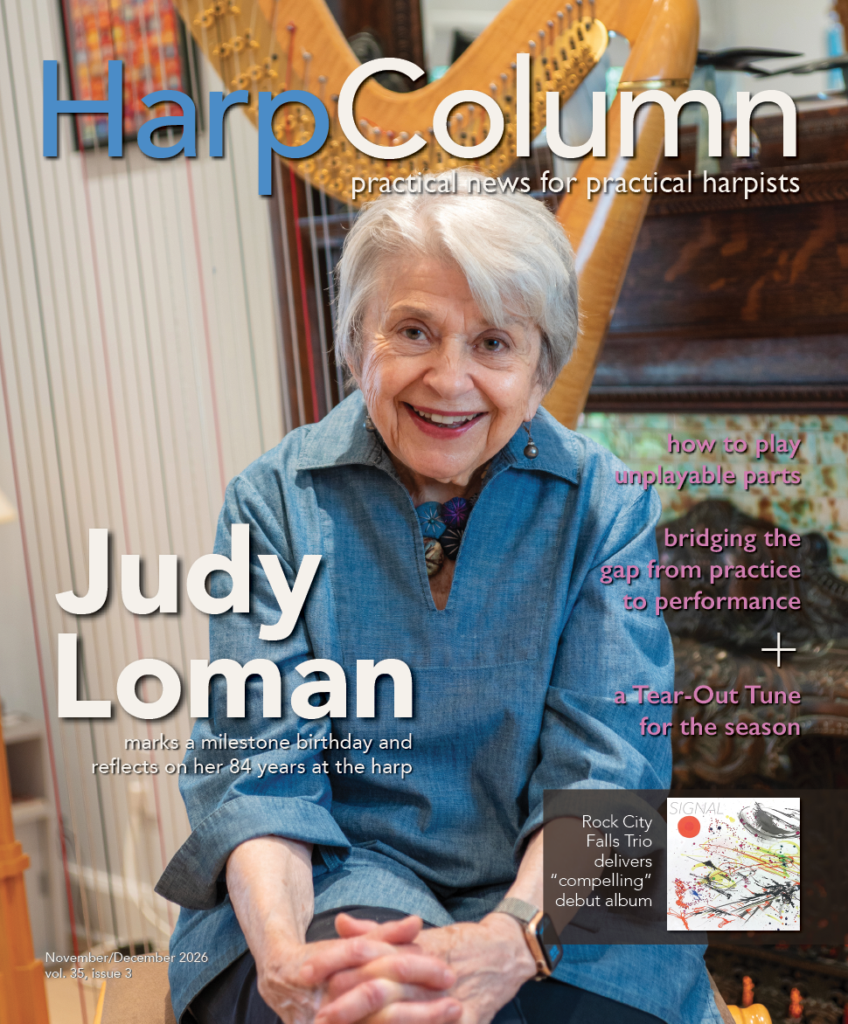
Rock City Falls Trio: Alex Chang, harp; Jason Handron, bass; Adam Forman, drums. Adhyâropa Records, 2026.
Improvisation is really important for us,” says Alex Chang, electric harpist with the upstate New York-based Rock City Falls Trio. “Listening and being in dialogue—knowing when to come in and when to pull back. And connecting with people and what is around you: your environment, your community.”
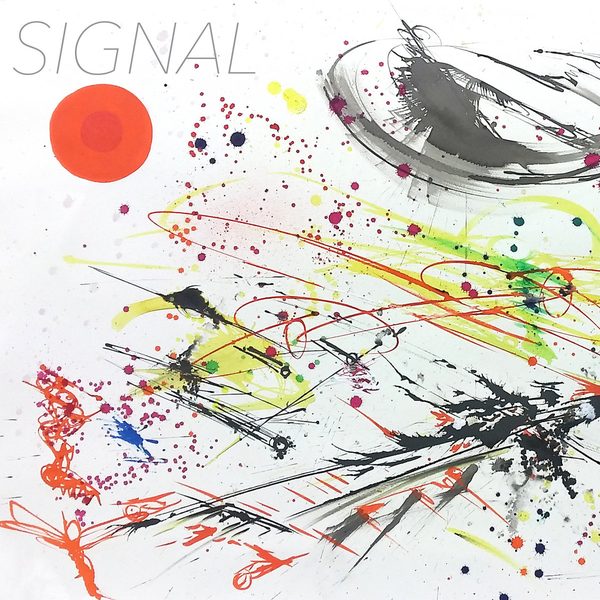
That pulsating, emotionally charged, and in-the-moment connection is at the heart of Signal, Rock City Falls Trio’s debut album. The culmination of a long collaboration between Chang, bassist Jason Handron, and drummer Adam Forman, the project draws on the members’ varied musical interests like indie rock, jazz, experimental improvisation and classical music, while refusing to settle comfortably into any one category.
The trio begins with composed themes, fragments, and frameworks, but from there the music becomes something much more fluid. In some ways, their approach is surprisingly traditional, simply three musicians listening closely to one another, responding and building together. Yet their performances blossom into alluring improvisations that can leave you breathless, suspended in time and invariably wanting more.
Rain opens with a driving cello fragment, moving with the persistence of windshield wipers that only briefly clear the view ahead. Harp and drums respond with uncertainty, hesitation, and even anxiety. Chang, who incorporates electronics alongside the electric harp, explains that this unsettled atmosphere is intended to explore “our relationship to water” and the increasingly wide range of meanings attached to rain—from delicate showers to torrential storms—as climate change makes extreme weather increasingly familiar.
Then the atmosphere shifts. Suite in C is delicate and comforting as it slowly unfurls, with all three musicians contributing to its shimmering texture and responding to the enchanting theme carried by the harp. It is a gentle reminder that beauty is everywhere around us, we simply have to listen closely enough to hear it.
Forman uses the word “float” to describe the trio’s contributions to each piece, and nowhere is that more evident than in Veil. It is as though each musician is suspended in a zero-gravity chamber, occasionally taking the lead before effortlessly receding and making space for another voice. The music seems to breathe collectively rather than move according to any fixed hierarchy.
Adrift places the drums at the center, providing the propulsion necessary for liftoff while the other instruments gather around the movement. The title track, Signal, takes an entirely different approach, turning inward and lingering on the sounds themselves, their individual qualities, textures, and peculiarities while allowing each to become fascinating in its own right. Collider, meanwhile, introduces an unmistakable sense of menace and intensity, pushing the trio into darker and more volatile territory.
What makes Signal so compelling is the sense that these musicians are not merely playing alongside one another but genuinely listening. Every entrance, retreat, interruption and response feels consequential. The music exists in that fleeting space between composition and improvisation, structure and freedom, proving just how much can happen when three musicians truly listen to one another.