

10/10
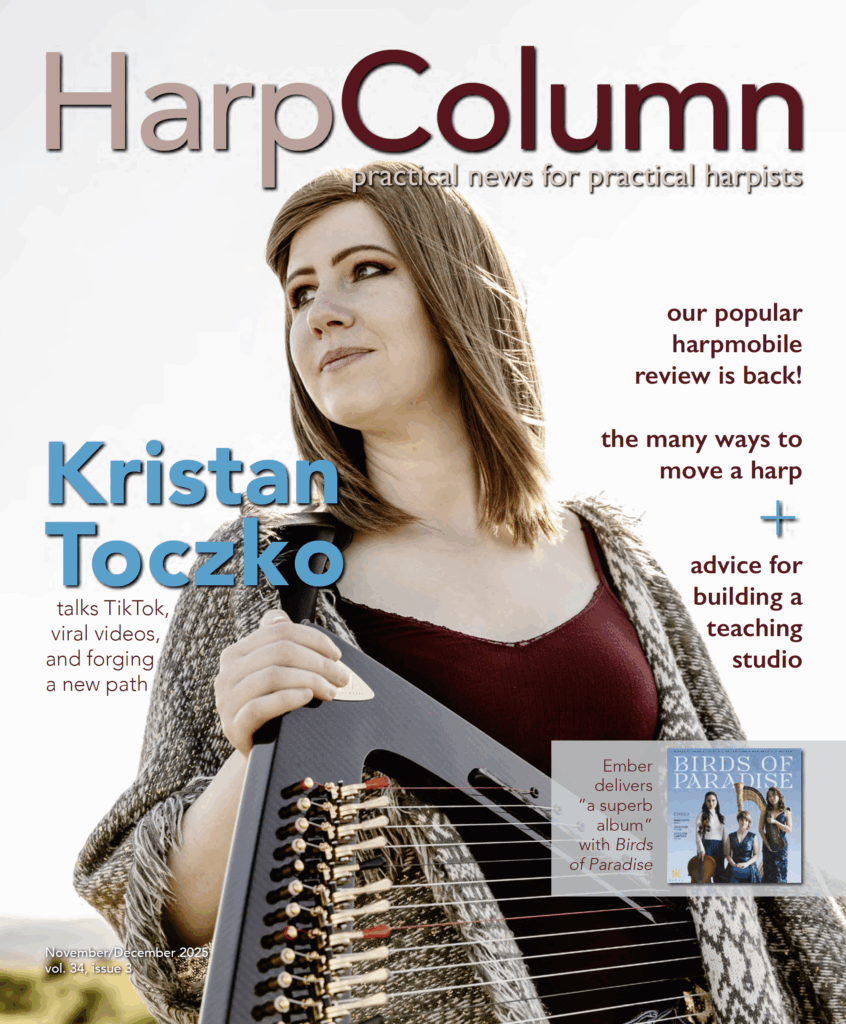
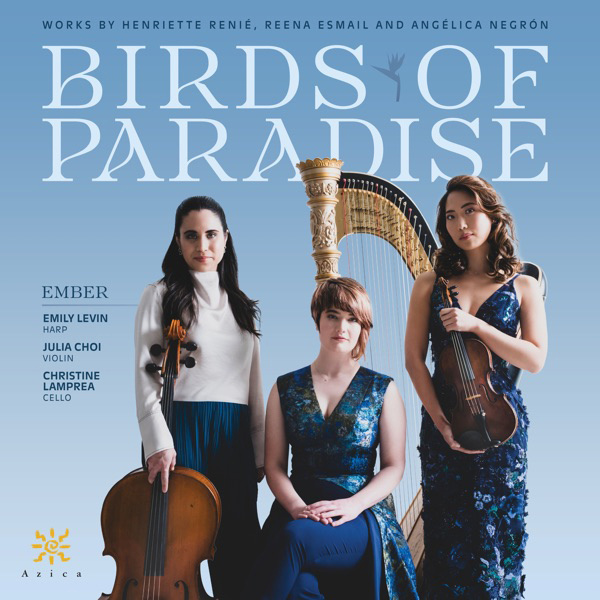
Ember: Emily Levin, harp, Julia Choi, violin, and Christine Lamprea, cello. Azica, 2025.
Emily Levin’s path to the harp is almost mythic. Though her mother enrolled her in cello lessons at age 4, a childhood encounter with the biblical story of David and his harp struck a chord and captured her imagination. The choice proved prophetic. Now principal harp of the Dallas Symphony Orchestra, Levin has emerged as both a dazzling performer and a persuasive advocate for her instrument.
Her latest venture is with Ember, an unlikely trio she anchors with violinist Julia Choi and cellist Christine Lamprea. Their new release, Birds of Paradise, is an ambitious recital showcasing bold, ground-breaking works by female composers.
For Levin, this project is more than performance—it’s advocacy. Through her nonprofit Groundwork(s), she is commissioning 52 works, one from each state, plus Washington, D.C. and Puerto Rico. But there’s a twist. Every premiere happens in the composer’s hometown, honoring the communities that nurtured them. The result has already yielded remarkable music, including the last track on this recording, Angélica Negrón’s Ave del paraíso.
Named for the vivid tropical plant resembling a bird, the work is part of Negrón’s Sonic Herbarium series, blending field recordings with a minimalist soundscape. The effect is luminous, an evocation of Puerto Rico’s beauty and fragility. Ember plays it with precision, intensity, and seamless blend.
Though this instrumentation has little repertoire, Levin traces inspiration to Henriette Renié, her “grand-teacher.” At just 26, Renié wrote a trio of symphonic scope, brimming with virtuosic demands and lush romantic colors reminiscent of Franck, Saint-Saëns, even Ravel. Written in the first years of the 20th century, Renié’s Trio in B-flat Major was certainly revolutionary for its time, especially in its treatment of the harp. Ember thrives here, expansive yet deeply attuned, with the “Andante” glowing in soulful lyricism.
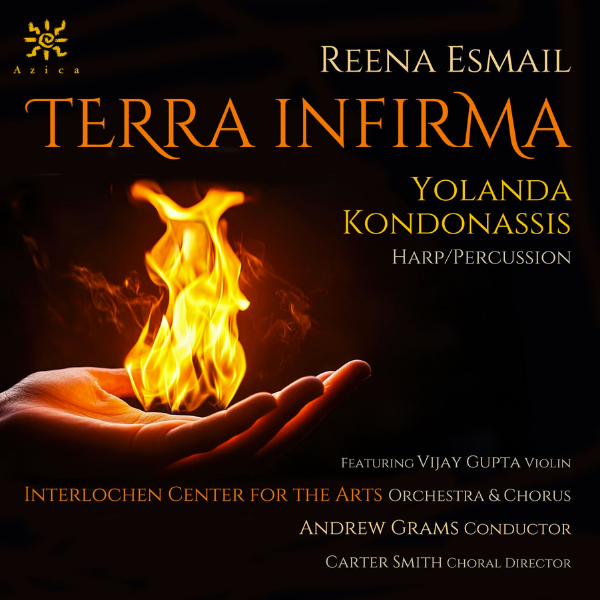
Equally compelling is Reena Esmail’s Saans, whose title translates to “Breath.” Cast in a recitative-like, meditative style, it channels the spirit of Franck’s famous violin sonata written as a wedding gift. Ember phrases with an elasticity and unity that feels like a single organism inhaling and exhaling together.
If the harp has long suffered from limited chamber repertoire, Birds of Paradise offers both remedy and revelation. The album is superbly played, imaginatively programmed, and is truly intoxicating. It proves not only the vitality of this particular ensemble, but also the urgency of Levin’s broader mission to expand the harp’s voice in ways both rooted and revolutionary. With Birds of Paradise, Ember delivers a superb album that expands the harp’s chamber repertoire leaving the listener wishing more composers would write for this unlikely but irresistible combination.