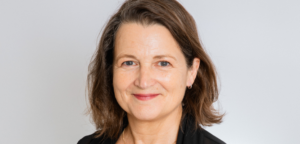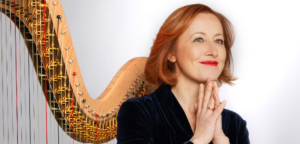


Oberlin Conservatory of Music recently appointed Diane Evans as Visiting Associate Professor of Harp, beginning in the fall of 2022. Evans will replace Oberlin harp professor Yolanda Kondonassis when she retires at the end of the spring 2022 semester. We reached out to Evans to find out more about her plans for teaching at Oberlin.
What specialized skills or interests do you bring to the position at Oberlin Conservatory?
Like many professional classical harpists, I’ve worked in a variety of roles: as a solo recitalist, chamber musician, large ensemble member, concerto soloist, and teacher. The primary component and first goal of my performing career has been the orchestra. I have served as Principal Harp of the Toledo, Omaha, and Indianapolis Symphonies for a total of 45 years. With this experience comes all the skills related to ensemble playing, along with an ability to problem-solve the various challenges that regularly arise.
Worth mentioning is my other primary life goal: motherhood! When I gave birth to my twins, I realized that I was facing a major challenge. How was I going to do a great job in both of these demanding areas? I concluded that I was going to have to become extremely efficient with my practicing, because suddenly I had no time to spare. So, I’d say that another skill I bring is an organized approach to deliberate, efficient practice, and a careful system for marking music. Systems lead to consistency, which is key. The process that turns black spots on a page into beautiful sound is endlessly fascinating.
What are your goals as a teacher at Oberlin?
My goal is to offer students a boost onto the shoulders of harpists and other musicians who have come before, so they may reach high and gain a wider perspective on today’s new horizons. I hope to offer excellent information, informed feedback, and varied opportunities to help them find their unique path forward.
How would you describe your teaching approach?
Here are some adjectives that come to mind regarding my approach to teaching: creative, responsive, focused, process-oriented, individualized, detailed, respectful, and joyful.
Could you talk a little about the strengths of Oberlin’s academic program?
Oberlin fosters an environment that nurtures an explosion of creative and intellectual growth. Students have wide latitude to pursue their passions, guided by dedicated and attentive faculty.
In today’s world, musicians have to be more versatile than ever. When you look at the number of harpists enrolled in music schools around our country, it’s simple math to conclude that they won’t all become concert soloists or full-time orchestral players. Oberlin takes seriously their obligation to educate the whole person to prepare them for reality beyond college. For example, Oberlin has revamped its music theory program so that each student is exposed to the fundamentals of a full variety of contemporary global genres, in addition to learning the standard European classical traditions. Each music student must fulfill an academic elective requirement. Many students pursue double degrees: music plus an academic major.
Extracurricular programming abounds. Concerts, lectures, exhibits, theater, movies, discussion groups, and Division III and intramural athletics offer yet more options for growth. The inspiration of being surrounded by top-notch students of all disciplines cannot be overstated. The college encourages and supports creative collaboration, with amazing results.
Do you have any other thoughts to share about your appointment?
I’m excited about the many opportunities for learning and growth that lie ahead, for my students and for me. I encourage interested harpists to reach out to Oberlin Conservatory Admissions for more information.
For more information, read our announcement about Evans’ appointment.